
What GCSEs Do You Need To Be a Vet?
GCSE Requirements
Veterinary Routes
Book GCSE Exam
Contact Us
What GCSEs do you need to be a vet?
To meet the entry requirements for veterinary medicine, you usually need Level 2 English and maths, achieved through GCSEs at grade 4/C or above. In addition, GCSE science subjects are essential, with biology and chemistry being particularly important for progressing towards a veterinary degree.
Many universities set higher grade requirements for maths and science GCSEs due to the academic and scientific demands of veterinary courses. University entry criteria can be competitive and vary between institutions, so it’s important to check the specific requirements for your chosen veterinary school early.
If you’re unsure whether your current qualifications meet veterinary entry requirements, or what GCSEs do you need to be a vet, you can complete the contact form at the bottom of the page. Our friendly team can talk you through your options and advise whether GCSEs or alternative pathways are the most suitable route for you.
Can I become a vet without GCSEs?
If you’re looking to become a vet without GCSEs, your options are limited, as veterinary medicine is highly competitive. Most courses require GCSE maths, English, biology and chemistry, often at higher grades.
In many cases, you will need to complete GCSEs first before progressing to A levels or other veterinary pathways. Functional Skills are not usually accepted in place of GCSE science, so it’s important to check requirements carefully.
| Feature | GCSE | Functional Skills |
|---|---|---|
| Accepted UK Wide Accepted UK Wide | ||
| Ofqual Regulated Ofqual Regulated | ||
| Suitable for Veterinary Medicine Suitable for Veterinary Medicine | ||
| Can Sit in May or Nov Can Sit in May or Nov | ||
| Can Sit All Year Round Can Sit All Year Round | ||
| Can Take Exam From Home Can Take Exam From Home | ||
| Results in 10 Working Days Results in 10 Working Days |
Why do you need GCSEs to become a vet?
GCSEs are required for most veterinary medicine courses because they show that you have the strong academic and scientific skills needed for this demanding degree. Maths and English are essential, as vets must communicate clearly with clients and colleagues, interpret written information accurately, and work confidently with numbers.
When wondering what GCSEs do you need to be a vet, you should know that most universities also require GCSE science subjects, particularly biology and chemistry, often at higher grades than many other degrees. These subjects demonstrate your understanding of core scientific principles and your ability to apply them in medical and clinical contexts.
Alongside GCSE Maths, GCSE English, GCSE Biology and GCSE Chemistry, you may also study other GCSEs you enjoy. Subjects such as Physics or Geography can be useful, as they develop problem-solving, analytical thinking and practical understanding, which are valuable throughout veterinary training.

What veterinary medicine routes can I take with GCSEs?
If you achieve GCSEs in maths, English and science, there are several routes into veterinary medicine. You could progress through A levels or animal science courses before applying for a veterinary degree, as veterinary medicine does not offer a direct apprenticeship route. An Access to Higher Education Diploma is another route into veterinary-related study for adult learners who don’t take A levels.
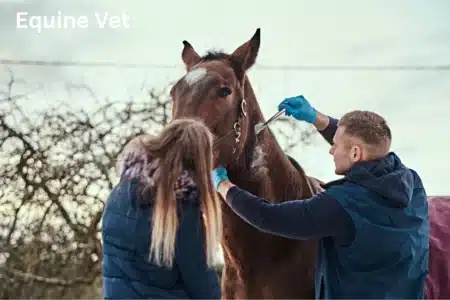
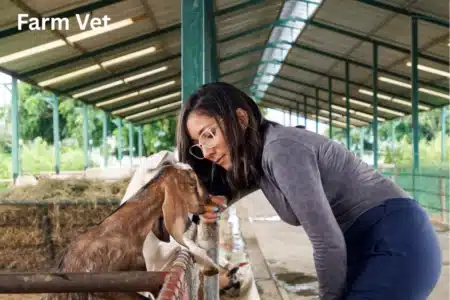
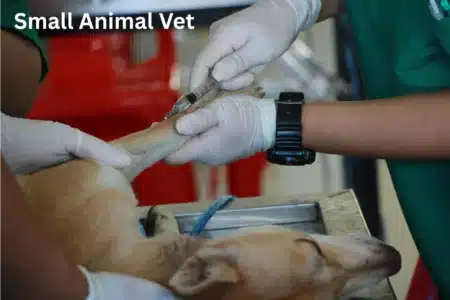
Some of the veterinary and animal care careers that people with these GCSEs often go on to include:


How do I book my GCSE exams?
Book your Ofqual-regulated GCSE exams to support your route into veterinary medicine with our team at Pass GCSE. You can book online through our exam booking pages or complete the contact form at the bottom of the page, and our team will guide you through the process and confirm your booking during a follow-up call.
Once you know what GCSEs do you need to be a vet, you can choose your preferred exam date, exam board and tier. GCSE Maths and English exams are available in May or November, while GCSE Science exams take place in the May/June series each year, which is particularly important for learners planning to progress into veterinary courses. Our prices include a full service, covering exam entry, finding a local exam centre and issuing your certificate.
If you are looking to book Functional Skills exams instead of GCSEs, these are available through Pass Functional Skills. You can book directly online using the links below:

Speak to Our Experts
☎️Call us on
020 4574 9155
GCSE Veterinary Medicine Support
💻Call us on
020 4574 9155
GCSEs to be a Vet Summary
What GCSEs do you need to become a vet?
Most veterinary medicine courses require GCSE Maths, English, Biology and Chemistry at grade 4/C or above. Many universities set higher grade requirements, particularly for science subjects, which is something to bear in mind once you know what GCSEs do you need to be a vet.
Is GCSE Science essential for veterinary medicine?
Yes. GCSE Biology and Chemistry are essential for veterinary courses, as veterinary medicine is highly science-based. These subjects form the foundation for further study at A level and degree level. Online GCSE courses are one of the best ways to revise.
Are Functional Skills accepted for veterinary courses?
Functional Skills Level 2 may be accepted for Maths and English in some cases, but they are not usually accepted as a replacement for GCSE Biology or Chemistry. Most veterinary schools expect full GCSE science qualifications.
Can I become a vet without GCSEs?
Becoming a vet without GCSEs is very difficult. Most learners will need to complete GCSEs first, particularly in Maths, English, Biology and Chemistry, before progressing to A levels or veterinary pathways. You can take a GCSE maths course to prepare for your exams.
Do I need A levels to become a vet?
Yes. Most veterinary degrees require A levels, usually including Biology and Chemistry, in addition to strong GCSE results. Entry is competitive, so meeting subject and grade requirements is essential. You can find A level support at Pass A Level
Can Pass help me book GCSE or Functional Skills exams?
Yes. Pass GCSE can support you with booking GCSE exams, including exam entry and finding a local exam centre. If you’re taking Functional Skills, these can be booked online through Pass Functional Skills, with support available throughout the process.
Get in Touch
Get in touch with one of our friendly team and they will discuss your options and help you to determine what qualifications and subjects are right for you.
-
Call 020 4574 9155
-
Or fill in the contact form