
What GCSEs Do You Need To Be a Surgeon?
GCSE Requirements
Surgery Routes
Book GCSE Exam
Contact Us
What GCSEs do you need to be a Surgeon?
To meet the entry requirements for becoming a surgeon, you need strong GCSE qualifications, as surgery is a specialist medical career. Most medical schools require GCSEs in English, maths and science subjects, particularly Biology and Chemistry, usually at higher grades. These GCSEs are essential for progressing to A levels and then applying to study medicine. Functional Skills Level 2 are not accepted as alternatives for medical or surgical pathways. Entry requirements can vary between universities, so it is important to check the criteria for your chosen medical school.
If you are unsure whether your current qualifications meet the GCSE requirements needed to progress towards a surgical career, simply fill out the contact form at the bottom of the page. Our friendly team can explain your options and advise on the GCSE route required to support progression into medicine and surgery.
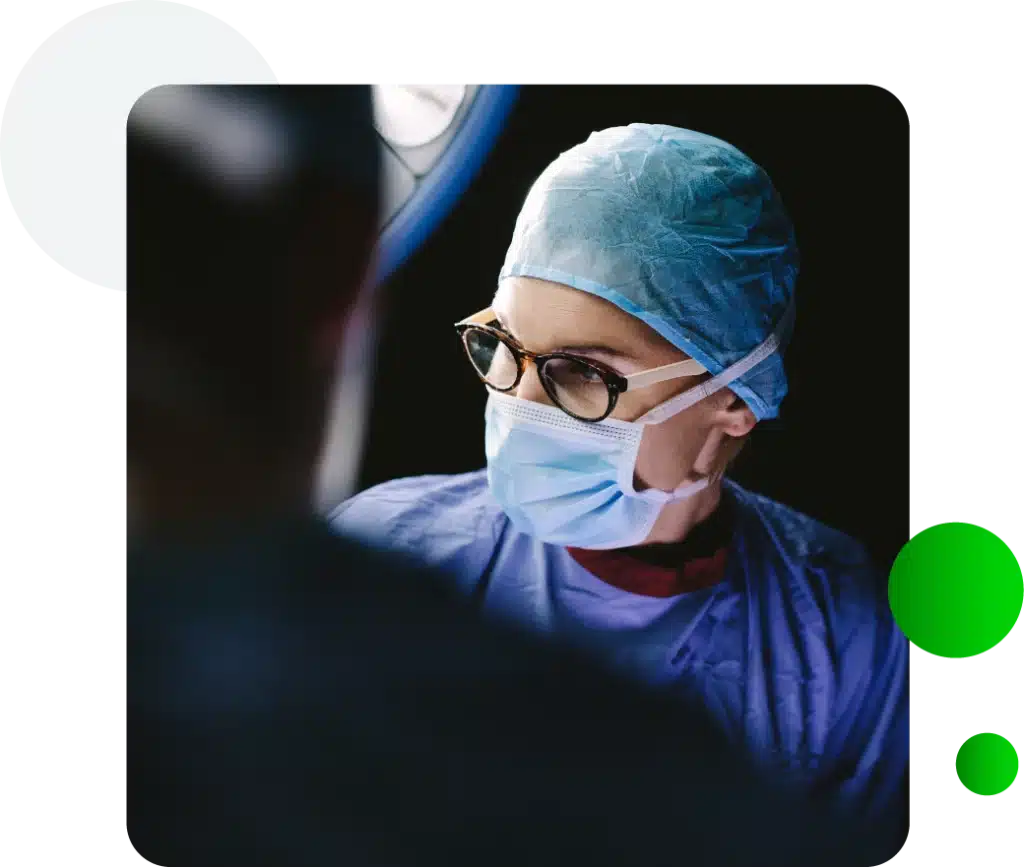
Can I become a surgeon without GCSEs?
No, becoming a surgeon requires full GCSE qualifications. Surgery is a medical career, and entry into medicine has strict academic requirements. Medical schools usually require GCSEs in maths, English and science subjects, particularly Biology and Chemistry, often at high grades. Unlike some other healthcare routes, Functional Skills Level 2 are not accepted as alternatives for medicine or surgery, so completing the required GCSEs is essential.
| Feature | GCSE | Functional Skills |
|---|---|---|
| Accepted UK Wide Accepted UK Wide | ||
| Ofqual Regulated Ofqual Regulated | ||
| Suitable for Surgery Suitable for Surgery | ||
| Can Sit in May or Nov Can Sit in May or Nov | ||
| Can Sit All Year Round Can Sit All Year Round | ||
| Can Take Exam From Home Can Take Exam From Home | ||
| Results in 10 Working Days Results in 10 Working Days |
Why do you need GCSEs to become a surgeon?
GCSEs are required to become a surgeon because they demonstrate the strong literacy, numeracy and scientific knowledge needed to progress through medical training. Maths and English are essential, as surgeons must communicate clearly, understand complex written information and work confidently with numbers in both academic and clinical settings.
Most medical schools require high GCSE grades in Maths and English, as well as Science subjects, particularly Biology and Chemistry. These subjects provide the scientific foundation needed for A levels, which are a core requirement for studying medicine before specialising in surgery.
Alongside GCSE Maths, GCSE English and GCSE Science, students aiming for a surgical career often take additional GCSE subjects that support academic development. Essay-based subjects such as History or Economics can be useful, as they help develop analytical thinking and written communication skills that are important throughout medical training.

What surgery routes can I take with GCSEs?
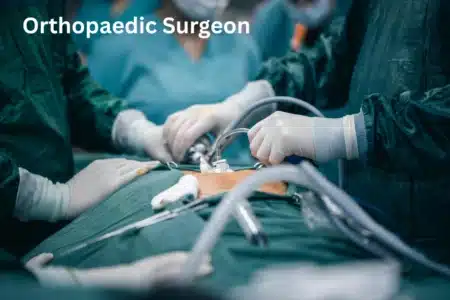
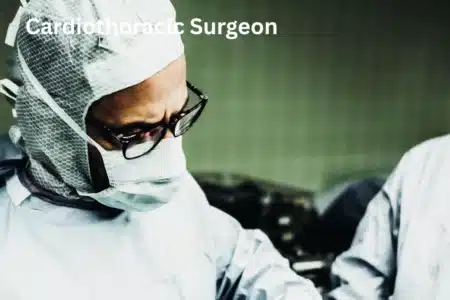
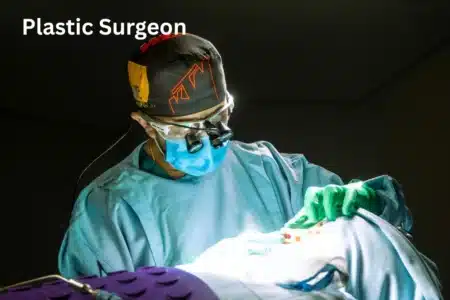
If you achieve strong GCSEs in maths, English and science, there is a clear route towards becoming a surgeon. Most students progress to A levels, typically including Biology and Chemistry, before applying to study medicine at university. After completing a medical degree, further specialist training is required to qualify as a surgeon. There are no direct apprenticeship routes into surgery, as it is a medical specialism.
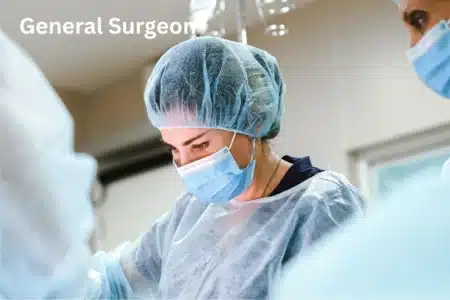
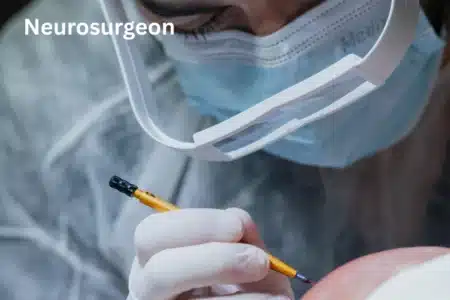
Some of the surgical careers that people with these GCSEs often go on to include:
How do I book my GCSE exams?
Book your Ofqual-regulated GCSE exams for a career in surgery with our team at Pass GCSE. You can book online through our exam booking pages or complete the contact form at the bottom of the page, and our team will support you through the process and finalise your booking during a call.
You can choose your preferred exam date, exam board and tier. Maths and English GCSE exams are available in May or November, while GCSE Science exams take place in the May/June exam series each year. Our prices include the full service, covering exam entry, arranging a nearby exam centre and issuing your certificate.
For progression into surgery, GCSEs are required, as Functional Skills qualifications are not accepted for medical or surgical routes. Our team at Pass GCSE can advise you on the GCSE subjects and grades needed to support your pathway into medicine and, ultimately, a career as a surgeon.

Speak to Our Experts
☎️Call us on
020 4574 9155
GCSE Surgery Support
💻Call us on
020 4574 9155
GCSEs to be a Surgeon Summary
Do I need GCSEs to become a surgeon?
Yes. To become a surgeon, you must first qualify as a doctor, which requires strong GCSEs. Medical schools typically require GCSEs in Maths, English and science subjects, particularly Biology and Chemistry, usually at higher grades.
Are Functional Skills Level 2 accepted for surgery or medicine?
No. Qualifications such as Functional Skills Level 2 are not accepted as alternatives to GCSEs for medicine or surgery. Full GCSEs are required due to the academic intensity of medical training.
What GCSE grades are needed to become a surgeon?
Most medical schools expect high GCSE grades, often grade 6/B or above, especially in Maths, English, Biology and Chemistry. Exact requirements vary by university, so it is important to check individual medical school entry criteria.
Do I need A levels to become a surgeon?
Yes. After GCSEs, students usually progress to A levels, typically including Biology and Chemistry, before applying to medical school. GCSEs provide the foundation needed to access these A level courses.
Can Functional Skills help at any stage if I want to be a surgeon?
While Functional Skills Level 2 in English and maths can support general education or help learners rebuild core skills, they are not sufficient for progression into medicine or surgery. GCSEs remain essential.
Where can I find official guidance on becoming a surgeon?
You can find authoritative, up-to-date information about becoming a doctor and specialising in surgery on the NHS careers website, which explains training routes and requirements:
Get in Touch
Get in touch with one of our friendly team and they will discuss your options and help you to determine what qualifications and subjects are right for you.
-
Call 020 4574 9155
-
Or fill in the contact form