
What GCSEs Do You Need To Be an Engineer?
GCSE Requirements
Engineering Routes
Book GCSE Exam
Contact Us
What GCSEs do you need to be an engineer?
To meet the entry requirements for engineering courses, you usually need Level 2 English and maths. This can be achieved through GCSEs at grade 4/C or above, or through Functional Skills Level 2 in maths and English, which are accepted by many colleges, universities, and apprenticeship providers. Some engineering pathways may also ask for additional subjects, particularly Maths or Science, depending on the specialism. Requirements can vary between institutions, so it’s important to check the criteria for your chosen course or training route.
If you’re unsure whether your current qualifications meet engineering entry requirements, simply fill out the contact form at the bottom of the page. Our friendly team can talk you through your options and advise whether Functional Skills or GCSEs are the most suitable route for you.

Can I become an engineer without GCSEs?
If you are looking to get into engineering without GCSEs, there are alternative options available. Engineering courses usually require Maths and English, and often also Science, depending on the specialism. Instead of full GCSEs, you can take alternatives such as Functional Skills Level 2 in Maths and English, which are widely accepted as equivalent to a GCSE at grade 4/C.
| Feature | GCSE | Functional Skills |
|---|---|---|
| Accepted UK Wide Accepted UK Wide | ||
| Ofqual Regulated Ofqual Regulated | ||
| Suitable for Engineering Suitable for Engineering | ||
| Can Sit in May or Nov Can Sit in May or Nov | ||
| Can Sit All Year Round Can Sit All Year Round | ||
| Can Take Exam From Home Can Take Exam From Home | ||
| Results in 10 Working Days Results in 10 Working Days |
Why do you need GCSEs to become an engineer?
GCSEs are important for most engineering pathways because they show that you have the essential literacy, numeracy, and problem-solving skills needed for the role. Maths and English are particularly important, as engineers must communicate clearly, understand technical information, and work confidently with numbers and calculations.
Although requirements can vary, many universities and training providers ask for at least a grade 4/C or equivalent in Maths and English, and many also require or prefer a Science GCSE. These subjects help demonstrate your technical understanding and ability to apply scientific and mathematical concepts in engineering contexts.
Alongside GCSE Maths course and GCSE English courses, you may also choose other GCSEs that support an engineering pathway. Subjects such as Science, Design and Technology, or Economics can be useful, as they help build analytical, technical, and problem-solving skills valued in engineering study and careers.

What engineering routes can I take with GCSEs?
If you achieve GCSEs in Maths, English, and Science, there are several routes into engineering. You could progress through A levels, BTECs, or T Levels before moving on to an engineering degree, or you may choose to enter an engineering apprenticeship.
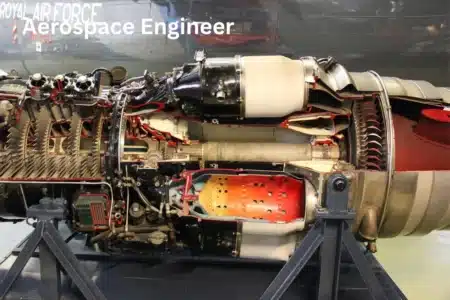
Some of the engineering careers that people with these GCSEs often go on to include:
How do I book my GCSE exams?
Book your Ofqual-regulated GCSE exams for engineering pathways with our team at Pass GCSE. You can book online through our exam booking pages or complete the contact form at the bottom of the page, and our team will support you through the booking process.
You can choose your preferred exam date, exam board, and tier. Maths and English GCSE exams are available in May or November, while GCSE Science exams usually take place in the May/June exam series. Our prices include exam entry, finding a local exam centre, and issuing your certificate.
If you are looking to book Functional Skills exams instead of GCSEs, these are available through Pass Functional Skills. You can book directly online using the links below:

Speak to Our Experts
☎️Call us on
020 4574 9155
GCSE Engineering Support
💻Call us on
020 4574 9155
GCSEs to be an Engineer Summary
Do I need GCSEs to become an engineer?
Most engineering courses require Level 2 English and maths. This can be achieved through GCSEs at grade 4/C or above, or through Functional Skills Level 2, which are accepted by many colleges, universities, and apprenticeship providers.
Are Functional Skills accepted for engineering?
Many universities, colleges, and apprenticeship routes accept Functional Skills Level 2 in English and maths as an alternative to GCSEs for engineering pathways, particularly for adult learners. Acceptance can vary, so it’s important to check individual course requirements.
Do I need science GCSEs for engineering?
Some engineering courses require or prefer a GCSE in Science, while others do not. Entry requirements vary by university, college, or training route, so you should always check the specific criteria for the course you are applying for.
Can I become an engineer through an apprenticeship?
Yes, engineering apprenticeships are available and often accept Functional Skills Level 2 in English and maths as an alternative to GCSEs. Additional requirements may apply depending on the role, level, and employer.
What grade do I need in Maths and English for engineering?
If you are taking GCSEs, most courses ask for a minimum grade 4/C in Maths and English. Functional Skills Level 2 are widely treated as equivalent.
Can Pass help me choose the right route into engineering?
Yes, our team can help you understand whether Functional Skills or GCSEs are the best option for your chosen engineering pathway and guide you through exams, courses, and next steps.
Get in Touch
Get in touch with one of our friendly team and they will discuss your options and help you to determine what qualifications and subjects are right for you.
-
Call 020 4574 9155
-
Or fill in the contact form