Functional Skills For Careers
Functional skills could help you take the next step in your career. They can help you succeed in securing your first job after school, or help you succeed in your current role with better skills in Maths and English.
For more information, complete the form and one of our support team will get in touch with you.
Functional Skills For Careers
Many employers will expect you to have GCSE or Level 2 equivalent qualifications in English and Maths at grade C/4 or above. This is because these qualifications indicate basic competency in these key subjects. This is especially true for entry-level jobs, but many positions may explicitly require level 2 competency in Maths and English, including administrative and customer service roles, or technical support jobs. Pass Functional Skills can help you achieve your Functional Skills in Maths and English. You can find resources to help with your revision on our website, which you can access through the links below.



What are Functional Skills?
Functional skills qualifications in Maths and English demonstrate that you possess the essential skills necessary for career success. Functional Skills give you the tools to communicate effectively and solve problems, two key elements of success in your job. In many cases you will need Functional Skills Level 2 or GCSE qualifications in Maths and English too apply for a new role or promotion. Man UK employers also value commitment to continuous professional development, such as obtaining better qualifications. This can lead to promotions and new opportunities within your current company. Whether you have a role in mind or are still weighing up your options, it can be smart to get a head start on your application and complete your Functional Skills qualifications now. These skills will also help you achieve success in your career, improving you competency in Maths and English.
Can Functional Skills Improve Your Career?
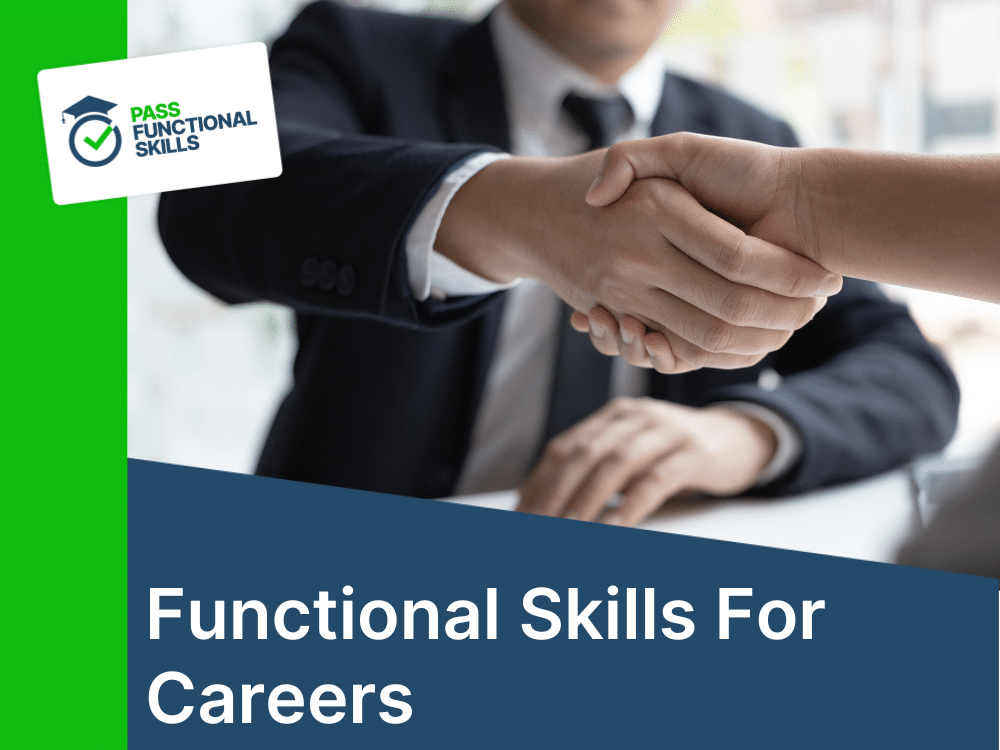
Many employers looks for skills in Maths and English and will expect that you have qualifications in these subjects.
Gaining Functional Skills qualifications in English and Maths can improve your career prospects. These qualifications can boost your confidence, improve your adaptability to new challenges, and open doors to new opportunities in your career. Improving your Maths and English can also lead to better job performance, satisfaction, and overall career success.
Level 2 qualifications offer transferable skills that are useful in many careers. This covers well-known industries such as:
- Business
- Accounting
- Construction
- Childcare
- Education
Functional Skills qualifications are useful in many more industries, as having basic Maths and English skills will help you be successful in any day-to-day activities that many jobs will expect you to do.

Benefits of Functional Skills
What are the benefits of Functional Skills Level 2 qualifications over GCSEs?
-
Functional Skills exams can be sat online, whereas GCSEs must be sat in-person
-
Functional Skills assessments are offered throughout the year, while GCSE exams are held only twice
-
Functional Skills qualifications generally take less time to complete compared to GCSEs
-
Functional Skills emphasize practical applications of Mathematics and English that are useful in everyday life
-
These skills can be conveniently learned online, enhancing their flexibility

Maths
The Functional Skills Maths exam is sat virtually under the supervision of an online invigilator. It takes 2 hours, and is split into 2 parts. The first part is a 30-minute non-calculator section and the second is a 90-minute calculator section. Upon passing your exam you will receive your certification to show that you have achieved your Functional Skills Maths qualification.
English
The Functional Skills English exam is sat as three separate exams. These exams test three different components: reading, writing, and SLC (speaking, listening and communication). The reading and writing exams take 1 hour each to complete and are typically sat one after the other in a 2 hour slot. The SLC is often sat separately and takes around 2 hours to complete.
What GCSEs Do You Need for Healthcare Careers?
From nursing to dentistry, careers in the healthcare sector are some of the most challenging and rewarding you can do. For these good opportunities for advancement, job security, and tasks which will test your knowledge and skills, you will need strong GCSEs in maths, English, and science subjects. Check out the careers below for job-specific GCSE requirements!

Nurse
Access the courses you need to become a licensed healthcare professional with GCSEs.

Midwife
Take your GCSEs and become a midwife. Support and care for pregnant people.

Doctor
Get the GCSEs you need to take A levels and study medicine at university.

Surgeon
Earn the qualifications you need to access medical courses and save lives in the operating room.

Pharmacist
Earn your role as a pharmacist through completing your GCSEs, A levels, and beyond.

Psychiatrist
Access the A levels required to be a psychiatrist by meeting GCSE requirements.
Dentist
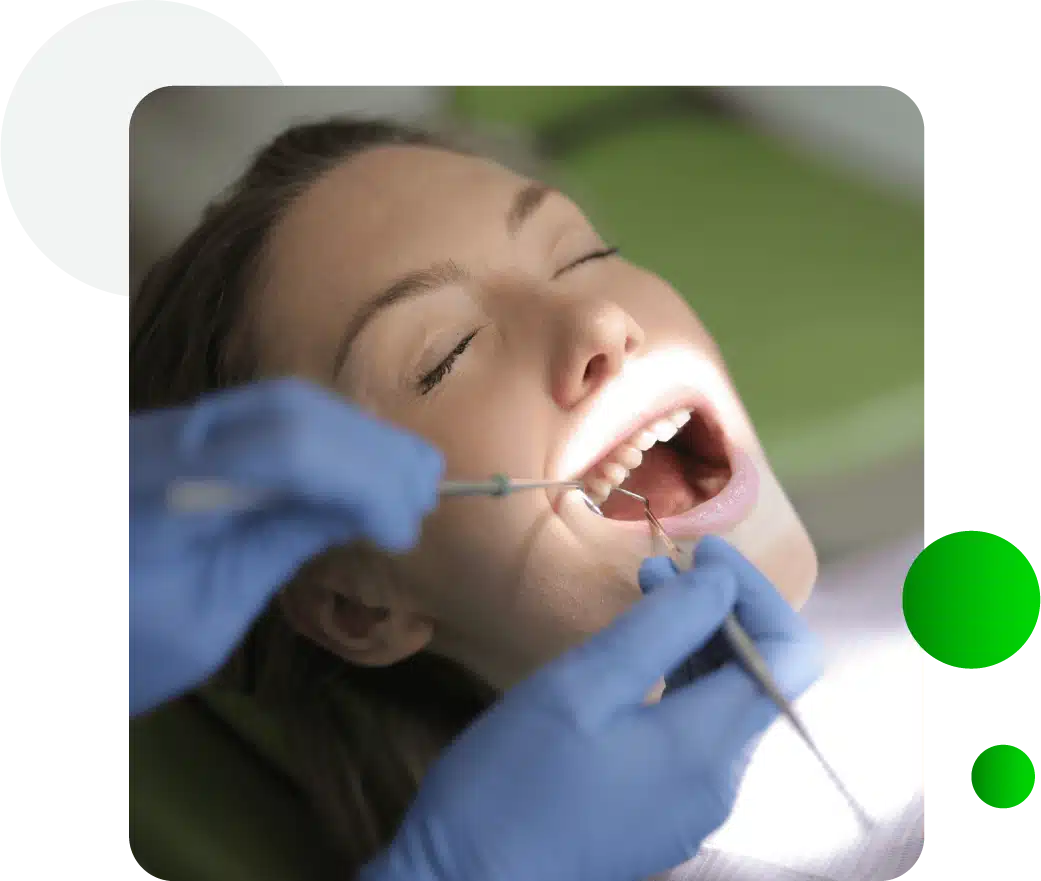
Become an expert in oral health by getting the necessary grades at GCSE level.
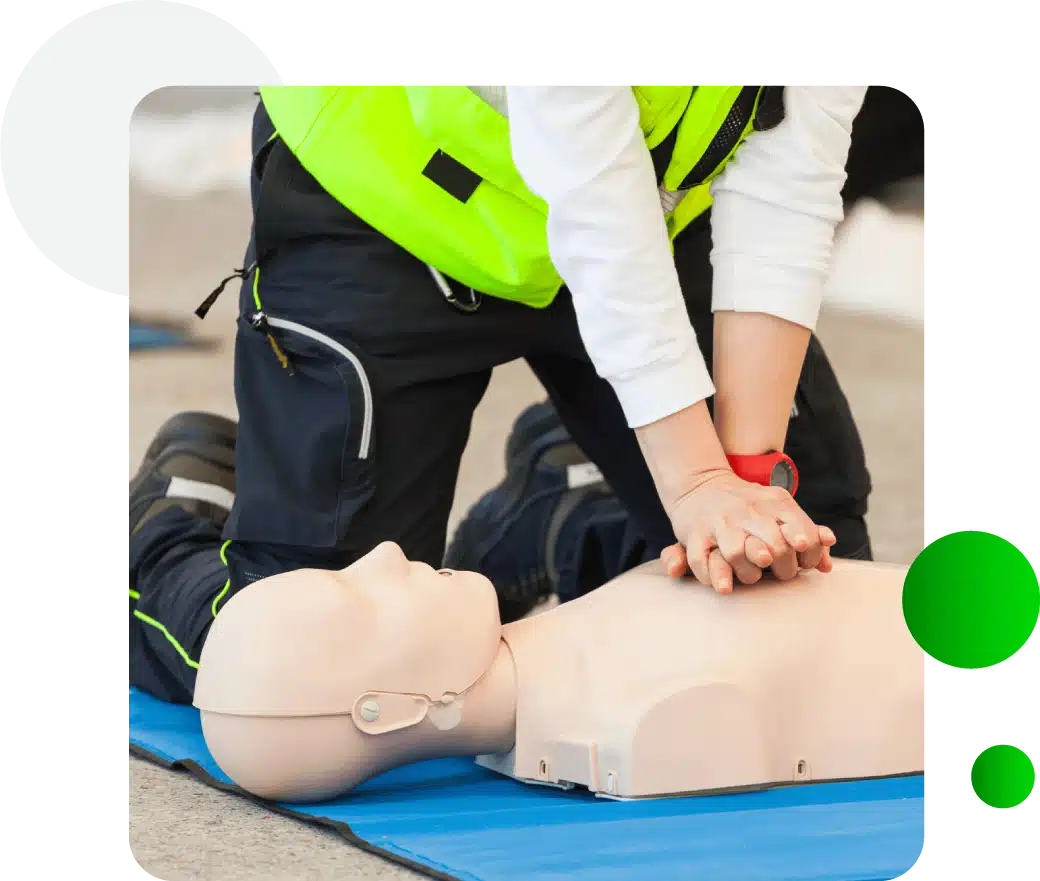
Paramedic
Use GCSE grades to train to be the first on the scene and provide life-saving treatment.

Psychologist
Take your GCSEs and use your results to help people of all ages as a psychologist.

Vet
Diagnose and treat animals as a vet by achieving your GCSEs and accessing further training.
What GCSEs Do You Need for Careers in Education?
Known as one of the most rewarding fields, teaching gives you the opportunity to make an impact on the generations to come. You can use GCSE grades to access the world of teaching and with teachers in demand to fill vacancies, you can enjoy job security and progression onto higher roles. You will need to have GCSEs in maths and English, as well as in any subjects you wish to teach at secondary school level. Check out the entry requirements for each teaching role below.

Primary School Teacher
Get the grades you need to shape, teach, and support the next generation through school.

Secondary School Teacher
Access the training needed to educate and safeguard young people.

Teaching Assistant
Use your GCSEs to train as a TA and support both teachers and students.
What GCSEs Do You Need for Careers in the Uniformed Services?
The uniformed services' variety of roles can offer purpose and lots of advancement within professional development. Many roles part of the uniformed services require mental resilience and GCSEs. GCSEs in core subjects like maths and English help develop essential numeracy and communication skills. You can start your journey to saving lives by checking out the entry requirements for each career below.
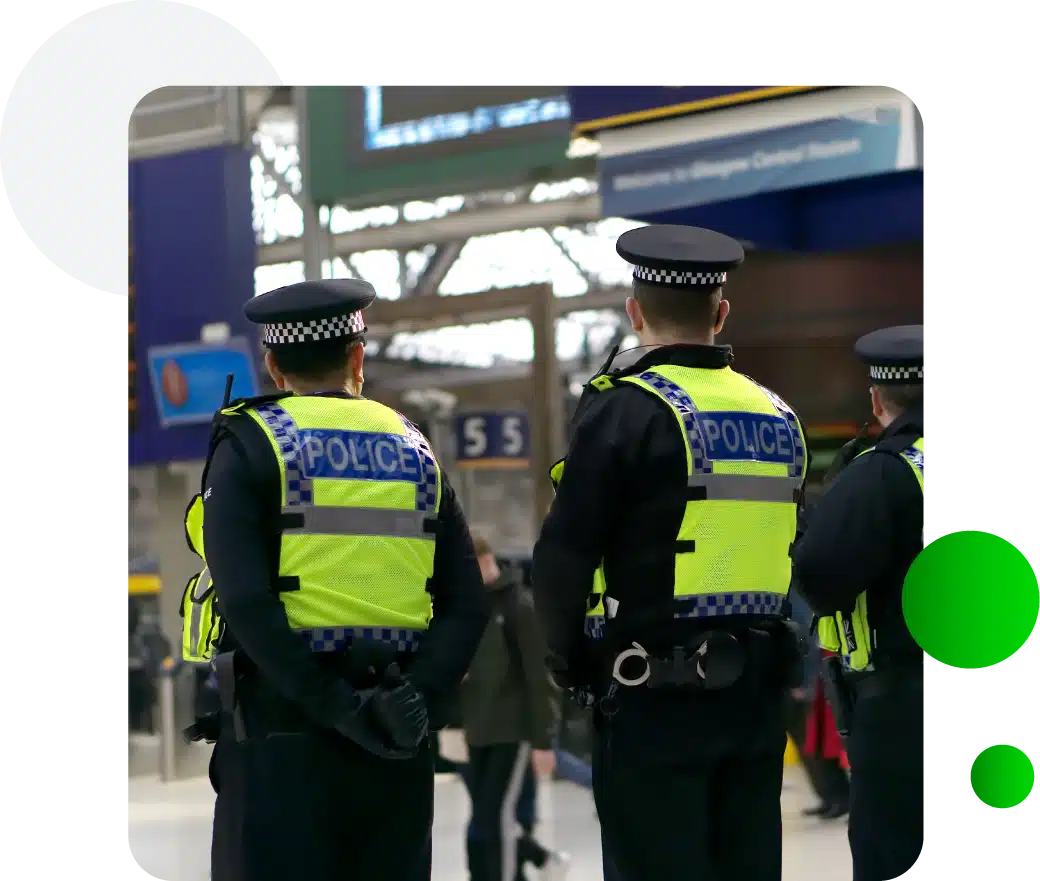
Police Officer
Access entry into the police force by getting the grades you need at GCSE level.

Detective
Earn the GCSE grades you need to train to solve crimes as a detective.
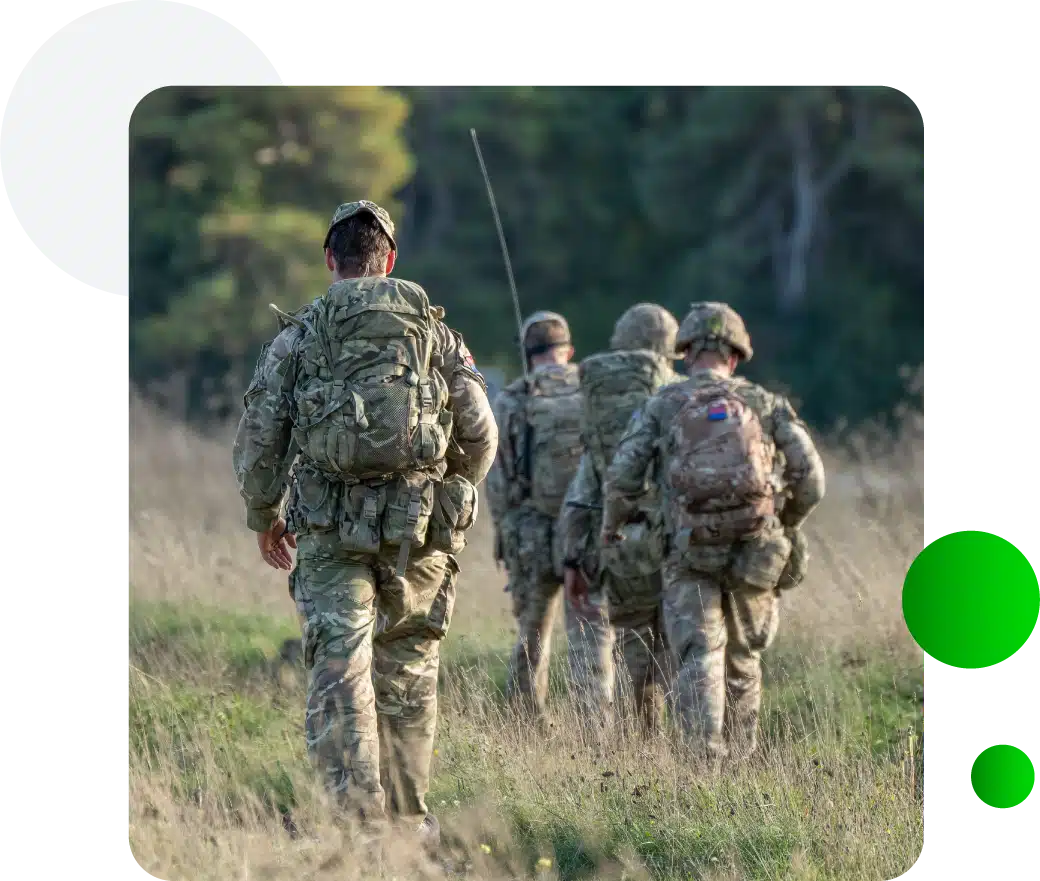
Join the Army
Protect national interests as a soldier in the army, or progress with GCSEs as an officer.

Firefighter
Use your GCSEs and train to save lives as a firefighter.
What GCSEs Do You Need for Careers in Law?
People are drawn to law careers to help others while challenging themselves and earning potentially large salaries. You may also be interested to help maintain order in society and ensure a fair justice framework. You will likely need strong GCSE grades in a variety of subjects to access the careers below. Click into each role to find out more.

Lawyer

Train to negotiate and advise clients by getting your GCSEs and becoming a lawyer.

Barrister
Take your GCSEs and progress onto A levels and university to be a barrister.

Criminologist
Don't let a lack of GCSEs stop you from studying the causes and consequences of crime.
What GCSEs Do You Need for Careers in Transport?
Jobs in the transport sector foster great skill development and provide opportunities for both manual and management roles. Generally you will need GCSEs at grade 4/C in maths and English, but specific entry requirements will vary. Check what GCSEs are needed for the roles below.

Lorry Driver
Get the GCSEs you need to access intermediate apprenticeships and drive HGVs.

Flight Attendant
Meet airline entry requirements by earning the relevant GCSE grades you need.
What GCSEs Do You Need for Other Careers?
Many jobs not listed above will still require applicants to have GCSEs. Maths and English language are commonly needed, because the skills developed during the qualifications are transferable to many different roles. You can find out the specific GCSE requirements for popular careers below.

Social Worker
Get the GCSEs you need to help vulnerable individuals in your role as a social worker.

Accountant
Use your GCSEs to get qualified for a role in the world of accounting.

Engineer
Apply what you learn in your GCSEs to solve technical problems as an engineer.

Architect
Let your GCSEs give you access to the higher education needed to become an architect.

Graphic Designer
Qualify for entry onto your chosen graphic design course with GCSEs at 4/C or above.

Fashion Designer
Use your GCSEs to prove you have the literacy and creativity required for fashion design.

Journalist
Meet course entry requirements by taking your GCSEs for journalism.
GCSEs For Careers FAQs
Why are GCSEs or functional skills required for my career?
Most courses and highly-skilled jobs require GCSE passes in both maths and English as a minimum, or Functional Skills Level 2. This demonstrates that you have the essential skills and can carry out tasks required in your role.
What GCSEs do you need to be a nurse?
Careers in nursing require GCSEs at grade 4/C in maths and English as a minimum, or Functional Skills Level 2. Some nursing courses may also require GCSE Science or GCSE Biology. It is sensible to check the specific GCSE requirements with your chosen university or training provider before taking a qualification.
Can I get a job without any Level 2 qualifications?
Some entry-level roles, like being a soldier in the army, have no GCSE requirements. However, for the majority of jobs, you will need to complete training courses which often require a minimum of GCSEs in both maths and English or an equivalent functional skills qualification.
Can I take a GCSE equivalent instead?
Yes, you can take an equivalent qualification such as a functional skills level 2 qualification in maths and English to meet the requirements for certain career paths. Always check any entry requirements for your career with the relevant admissions team to ensure your alternative is accepted. If you are unsure if functional skills might unlock career paths for you, contact our support team who can discuss your options with you.
Will I need both maths and English GCSEs?
Maths and English GCSEs are often the core requirements for many different roles across many sectors. This is because achieving GCSEs in these subjects proves that you have core skills in numeracy and literacy required to succeed at work and beyond. Functional Skills Maths and Functional Skills English are another option for building these skills, with content that focuses more on real-life applications, making them more accessible to those less familiar with the education setting.
What grades do I need in my GCSE exams?
The grade you need in your GCSEs will depend on the role you are applying to. If an application asks for a GCSE in any subject, you will need to ensure at least a passing grade of 4/C. Grade 4/C at GCSE is equivalent to Functional Skills Level 2. Prospective surgeons, for example, will be expected to achieve high grades to prove that they are more likely to meet the demands of the job.
What do I need for a career at Pass?
You can find everything regarding careers at Pass, on the dedicated Pass Careers page.
Does teaching accept level 2 functional skills?
It depends on the pathway you select. For many teaching routes, the GCSE equivalency tests are a more appropriate qualification.
Speak to one of our experts now
Our Functional Skills Experts are on hand to answer any queries you may have.