
What GCSEs Do You Need To Be a Doctor?
GCSE Requirements
Medicine Routes
Book GCSE Exam
Contact Us
What GCSEs do you need to be a doctor?
To meet the entry requirements for medicine, you usually need strong GCSE results, including English, maths and science. Most medical schools require GCSEs at grade 6/B or above, particularly in science subjects, and Functional Skills are not normally accepted as alternatives for medicine degrees. These GCSEs are essential for progressing to A levels (or equivalent), which are a key requirement for medical school. Entry criteria can vary slightly between universities, so it is important to check the specific requirements for each medical course.
If you are unsure whether your current qualifications meet the GCSE requirements for becoming a doctor, simply fill out the contact form at the bottom of the page. Our friendly team can talk you through your options and advise on the GCSE route needed to support progression into medicine.

Can I become a doctor without GCSEs?
| Feature | GCSE | Functional Skills |
|---|---|---|
| Accepted UK Wide Accepted UK Wide | ||
| Ofqual Regulated Ofqual Regulated | ||
| Suitable for Medicine Suitable for Medicine | ||
| Can Sit in May or Nov Can Sit in May or Nov | ||
| Can Sit All Year Round Can Sit All Year Round | ||
| Can Take Exam From Home Can Take Exam From Home | ||
| Results in 10 Working Days Results in 10 Working Days |
Why do you need GCSEs to become a doctor?

What medicine routes can I take with GCSEs?
If you achieve strong GCSEs in maths, English and science, there are clear progression routes into medicine. Most students go on to study A levels, usually including Biology and Chemistry, before applying to medical school. Alternative academic routes may be available in some cases, but entry into medicine is highly competitive and typically requires strong GCSE and A level results.
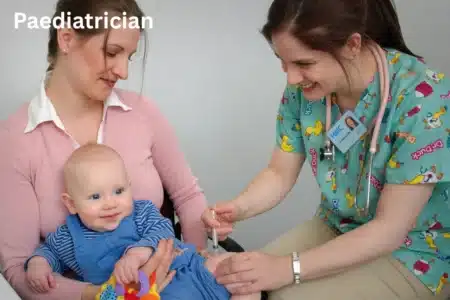
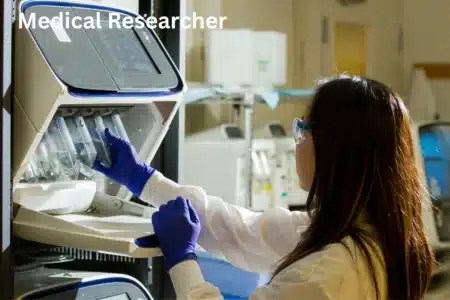
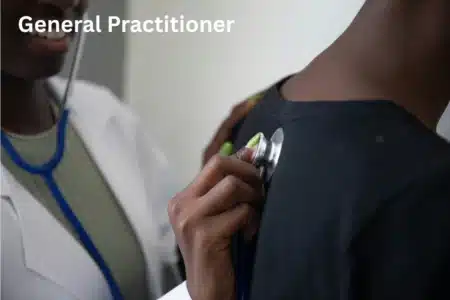
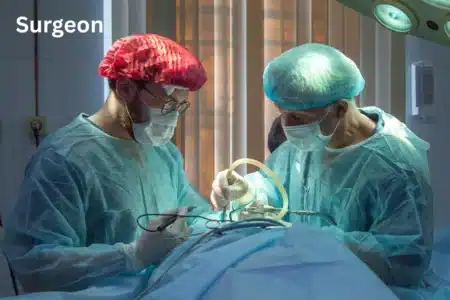
Some of the medical careers that people with these GCSEs often go on to include:

How do I book my GCSE exams?

Speak to Our Experts
☎️Call us on
020 4574 9155
GCSE Medicine Support
💻Call us on
020 4574 9155
GCSEs to be a Doctor Summary
Do I need GCSEs to become a doctor?
Yes, medicine has strict entry requirements. Most medical schools require strong GCSE results in Maths, English and science subjects, particularly Biology and Chemistry. These GCSEs are essential for progressing to A levels and then applying to medical school.
Are Functional Skills accepted for medicine?
Qualifications such as Functional Skills Level 2 are generally not accepted as alternatives to GCSEs for medicine degrees. Medical schools usually require full GCSEs due to the academic demands of the course.
What GCSE grades do you need to study medicine?
Most medical schools expect high GCSE grades, often grade 6/B or above, especially in Maths, English and science subjects. Entry requirements can vary between universities, so it is important to check individual course criteria.
Do I need A levels to become a doctor?
Yes, most routes into medicine require A levels, usually including Biology and Chemistry. GCSEs provide the foundation needed to access these A level courses and meet medical school entry requirements.
Can Functional Skills help at any stage if I want to be a doctor?
While Functional Skills Level 2 in English and maths can support general education or alternative career routes, they are not normally sufficient for medicine. They may, however, help learners build core skills before returning to GCSE study if needed.
Where can I find official information about becoming a doctor?
You can find detailed, up-to-date guidance on routes into medicine, training pathways and entry requirements on the NHS careers website.
Get in Touch
Get in touch with one of our friendly team and they will discuss your options and help you to determine what qualifications and subjects are right for you.
-
Call 020 4574 9155
-
Or fill in the contact form